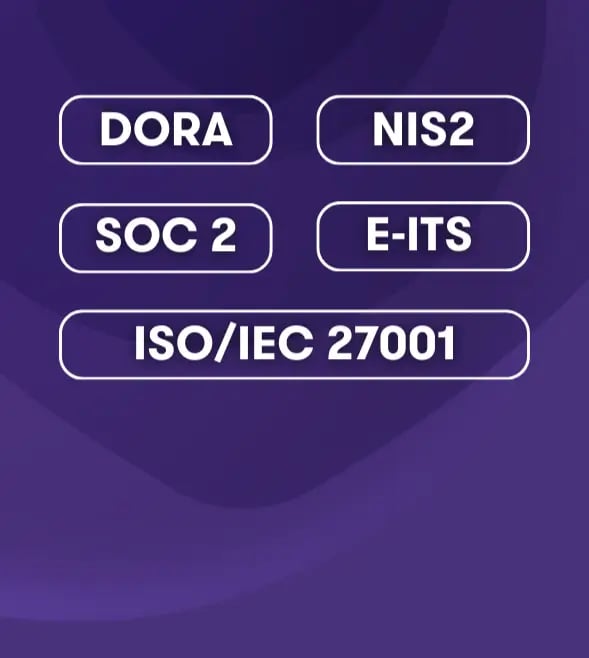
Grant Thornton Baltic announced on 1 April that it has proposed considering the partial privatisation of the Estonian Information System Authority (RIA) and, in cooperation, creating a new information system, MinuKüTS. The aim is to help companies finally understand which cybersecurity and information security requirements actually apply to them and what obligations they must fulfil.
Dividend taxation in Estonia from 2025: when and how to distribute dividends and when tax-free redistribution is possible.
This AI assistant helps assess whether an employment contract complies with applicable labour law and identifies potential risk areas. It is suitable for anyone who wants to perform an initial review of an employment contract document (in PDF or Word), detect shortcomings, and reduce legal risks before using or signing the contract.
Companies are running out of time to start this year’s ESG report process – in fact, a business starting today might not make it in time. “That doesn’t mean they should just forgo submitting a report. It’s worth making the effort and getting at least half of it done,” said Grant Thornton Baltic partner and Head of Audit and Assurance Services Mart Nõmper.
It is becoming more accepted that companies should not only focus on their own main goal – earning a profit – but also consider the environmental and social impact of their activities.
A long-awaited legislative amendment has finally arrived: the thresholds for audit and review obligation will rise by 25%.
2025 is the first time that public interest entities will be required to prepare a sustainability report – which must be validated by an auditor – for the preceding year. Nine of Grant Thornton Baltic’s auditors were recently certified to audit sustainability reports, which will allow our network to provide service to many businesses and organisations subject to the obligation.
The Whistleblower Protection Act, which came into effect on September 1, 2024, protects employees, shareholders, and clients in the event of corporate misconduct, but there is still confusion in certain situations about how to interpret the law precisely.
On December 11 2024, the Parliament of Estonia passed the Defence Tax Act, which will apply to individuals, companies, and non-residents earning taxable income in Estonia.
Whether the 2024 packaging report needs to be audited depends on whether the most recent audited packaging report was for 2020 or 2021.
How has the auditors’ market changed and why is it hard to find sufficiently qualified specialists? What sorts of trends will global competition, workforce shortage and sustainability reporting requirements bring about?
The details of the defense tax that will take a bite out of corporate profits appear to be rife with inequality and unfairness, and a closer look reveals situations where taxes must be paid by those who haven’t turned an actual profit.
An overview of remote work developments in 15 countries before, during and after the Covid-19 pandemic.
This fall, a record of six new partners joined Grant Thornton Baltic. Four of them are from our Estonian company and one each from Latvia and Lithuania. Now we have a total of 21 partners.
Starting 1 January 2024, a global minimum tax obligation is in effect for large multinational enterprise groups with consolidated revenue of more than 750 million euros in European Union member states and many third countries (such as UK, Switzerland, Canada, Australia, Singapore etc.)
On 25 September 2024, the Estonian government submitted a draft law on the defense tax to the Parliament, which introduces a temporary defense tax consisting of three components, including a 2% tax on corporate profits. Most companies will have to pay the defense tax for the first time on 10 September 2026.
Grant Thornton pays great attention to training managers, and Kristel Tiits (Head of Legal) and I had the opportunity to participate in Grant Thornton International's year-long management training program, where one session took us to Vietnam.
Matters concerning evaluation of the creditworthiness of consumers have returned to the focus during the last year. Discussions revolve around consumers’ increased loan burden and share of loans in default; there is lobbying for additional support from the establishment of a positive credit registry, and the Financial Inspectorate has started getting tougher with fines on market participants who don’t abide by the rules.