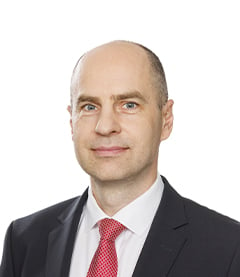
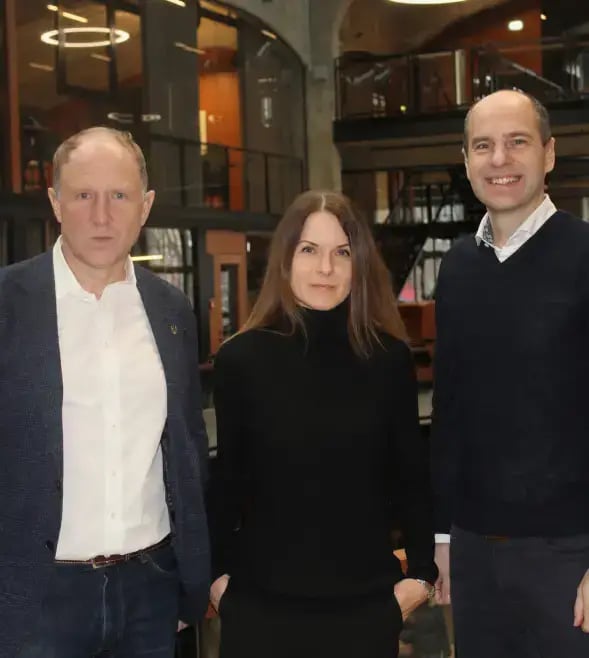
Mart joined Grant Thornton Baltic as an Audit Manager in autumn 2019 and led the firm's Audit department from 2020 to 2026. He has extensive experience as both a sworn auditor and a leader. Before joining Grant Thornton Baltic, he headed the audit practice at Rödl & Partner Audit OÜ.
As a Partner, Mart's main focus is on the firm's sales and marketing activities, business development, and delivering high-quality audit services. His day-to-day work includes performing audits for private companies and public sector organisations, as well as carrying out special audit engagements, including special purpose audits and agreed-upon procedures.
Mart is Vice President and a Member of the Management Board of the Estonian Auditors' Association and an active member of the Estonian Family Entrepreneurs Association. He is also a respected lecturer at training courses organised by both the Estonian Auditors' Association and Grant Thornton Baltic and continuously develops his professional knowledge, including through the Senior Leadership Programme at Harvard University.
Proffessional affiliations
- Employee Experience of the Year 2020
- An Outstanding Leader Award 2020
- Ambassador of Grant Thornton of the Year 2022
- Client Project of the Year 2025
- Leader of the Year 2025
Qualifications
- University of Tartu, Level of education equivalent to Master's degree in law and in economics
- Harvard University, Senior Leadership Programme
- Certified Sworn Auditor
- Public sector Sworn Auditor
- Nationally certified reorganization advisor
- Vice President and Member of the Board, The Estonian Auditors' Association
- Sworn ESG Auditor